
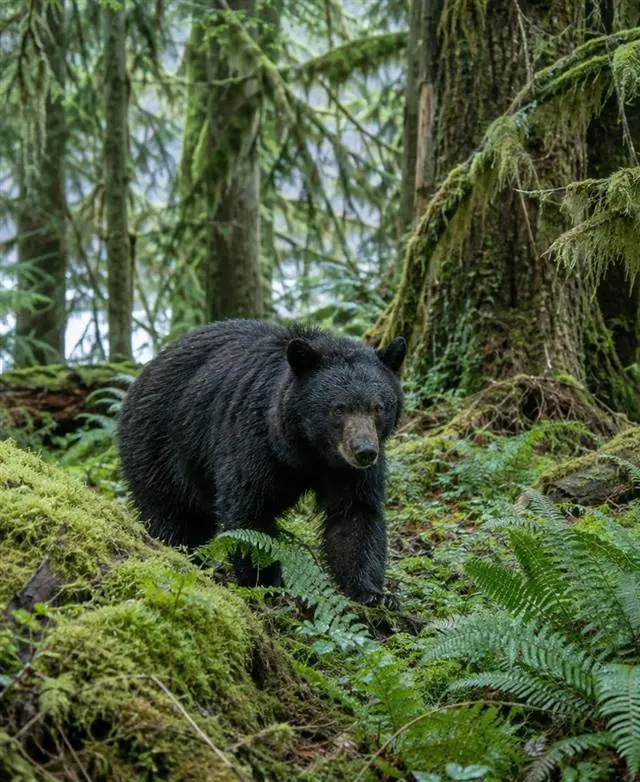
Black Bear Hunts
Explore remote coastal forests and wilderness areas while enjoying the flexibility of a vessel-based hunting trip.
Learn More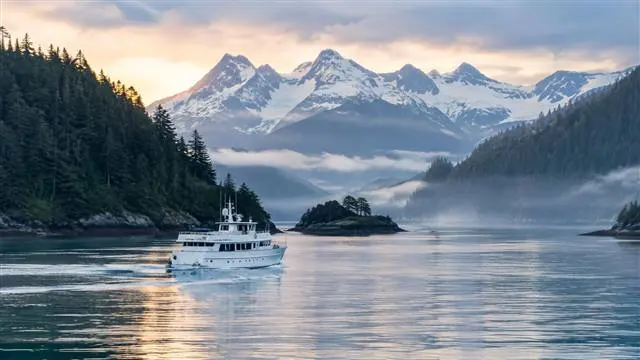
Discover unforgettable vessel-based hunting adventures along Alaska's spectacular coastline. Explore remote wilderness, enjoy comfortable accommodations, and experience the freedom of Alaska's great outdoors.
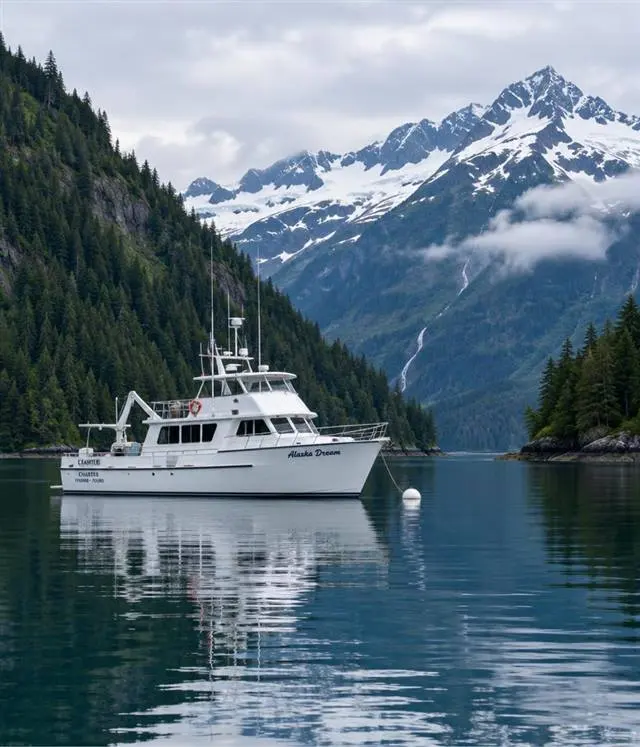
Based in Homer, Alaska, Alaska Coastal Marine has spent decades carrying hunters and anglers along one of the most dramatic coastlines on earth. Our trips pair genuine wilderness access with the comfort of a well-run charter vessel — a warm, stable base camp that moves with you as the country opens up.
Whether you are chasing black bears in the rainforest, glassing for coastal brown bears, or hunting Sitka black-tailed deer across the islands, our crew handles the travel so you can focus on the hunt.
Please note: our transportation and onboard accommodation services are separate from professional hunting guide services. Guided arrangements can be discussed and added where required.
Three distinct coastal hunts, each shaped by the terrain, the seasons and the wildlife of Alaska's outer coast.
Explore remote coastal forests and wilderness areas while enjoying the flexibility of a vessel-based hunting trip.
Learn More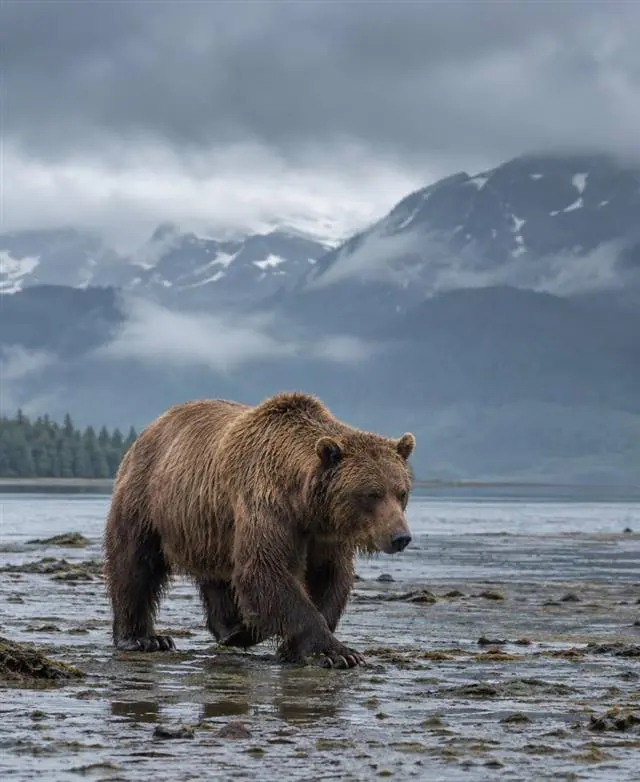
Discover Alaska's legendary coastal brown bear country and learn about trip planning, regulations, and guiding requirements.
Learn More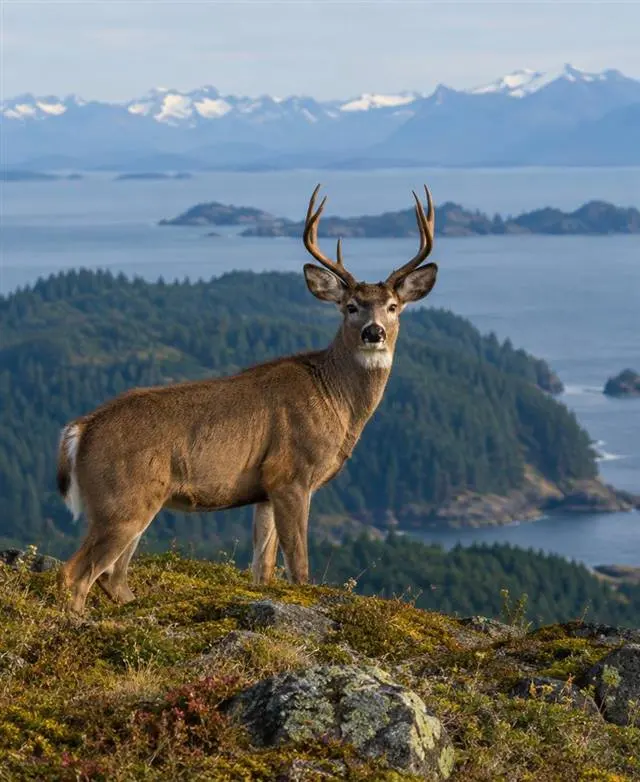
Experience memorable deer hunting adventures among Alaska's spectacular coastal islands and mountain landscapes.
Learn More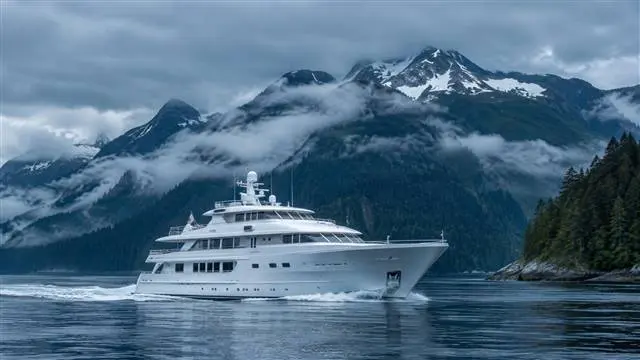
Staying aboard a well-appointed charter vessel keeps you close to the hunt and far from the compromises of remote tent camps. Fish, rest, dry out and plan — all while the coastline moves past your window.
Private berths with warm bedding keep you rested after long days in the field.
Clean heads and hot water make life aboard genuinely comfortable.
A warm galley and generous table where the whole crew eats together.
A dedicated space dries wet clothing and boots overnight.
Proper cold storage protects your harvest until the trip is complete.
Sheltered outdoor spaces to watch the coastline roll past in any weather.
Licensed operators who know these waters, tides and channels intimately.
Reach coastline and islands that simply cannot be driven to.
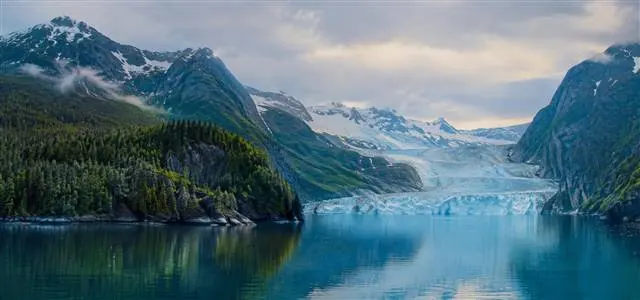
Beyond the tide line, Alaska unfolds in every direction — glaciers calving into still water, old-growth spruce clinging to the slopes, bald eagles riding the thermals and humpback whales surfacing in the channels. This is a wilderness measured in horizons, and you will have a front-row seat.
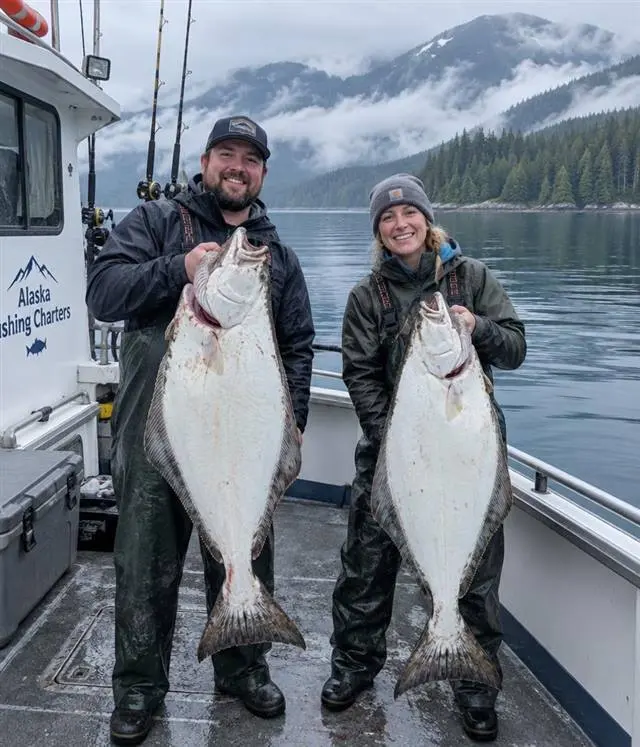
Our coastline is one of the most productive fisheries in the world. Between hunts — or on a dedicated charter — drop a line into deep, clear water and see what the Gulf of Alaska has been hiding.
Good preparation turns a good trip into a great one. Start with the essentials below, then reach out with any questions.
Stories, field notes and practical guides from along Alaska's coastline.
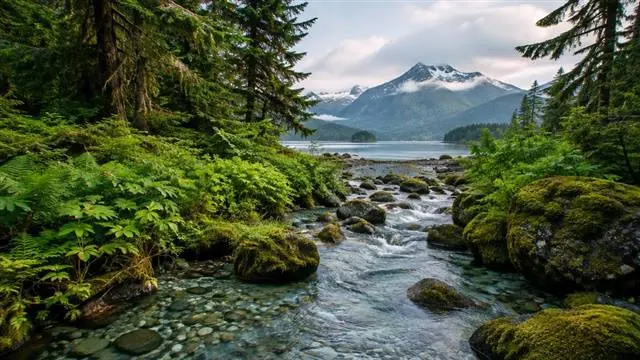
A hunt is not only judged on whether or not an animal is brought down, but also on the animal's identification, recovery, care of meat, reporting and the state of the hunting area left after the hunt. Minor oversights in remote areas could quickly become very expensive when weather changes and help is far away. […]
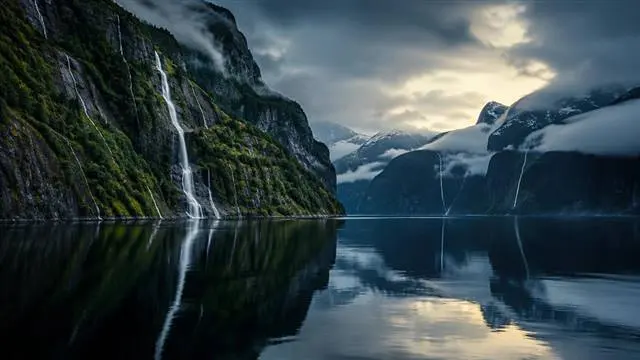
A coastal Alaska map can look simple until islands, tidewater glaciers, narrow passes and broad mudflats turn a short line into a demanding journey. Learning to read those features helps you estimate travel time, recognize weather exposure, anticipate animal habitat and avoid routes that are safe only at certain water levels. The best planning choice […]
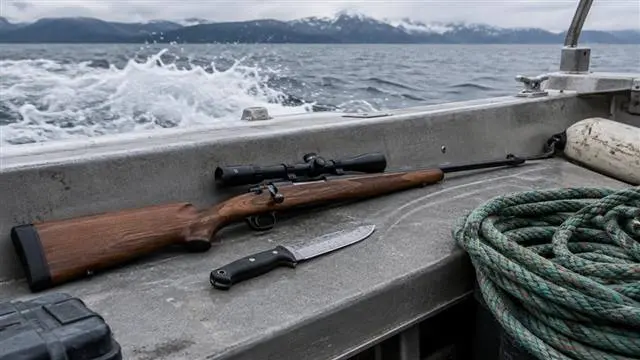
Salt spray often leaves its trail without warning, solidifying onto rifle slings, then drying into zipper rings or onto optic surfaces where it can later bond with damp air to produce a very stiff firearm, hazy optics, corroded metals or, worse yet, dead electronics that cannot be recharged when you are out of range. Fortunately, […]