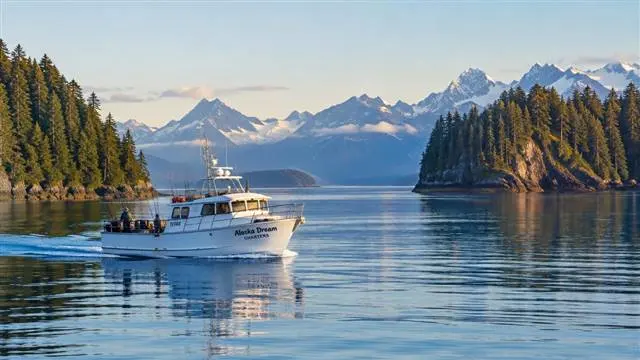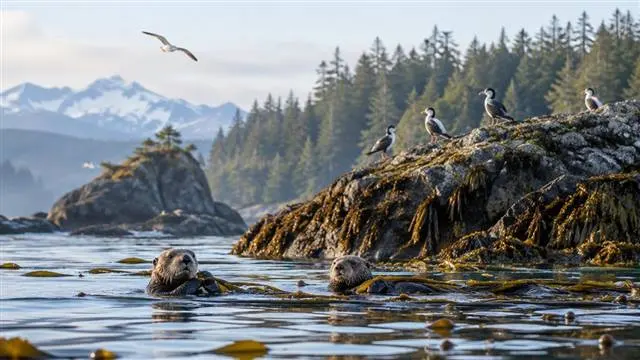

A hunt is not only judged on whether or not an animal is brought down, but also on the animal's identification, recovery, care of meat, reporting and the state of the hunting area left after the hunt. Minor oversights in remote areas could quickly become very expensive when weather changes and help is far away. In remote country, it is best to check on what you know, to slow down when in doubt and to consider all aspects of your decisions as wildlife stewardship – not as a separately upcoming task.
Confirm the animal, season and opportunity
Know your animal before you go! Understand the species, sex, antlers or horns (where required), open areas, season dates and all permit requirements for your specific hunt before you depart for the field. Note: Alaska hunting regulations can vary from Game Management Unit to Game Management Unit and may be affected by such things as "emergency orders" and "special provisions." Verify current, accurate information with Alaska Department of Fish and Game and make sure to contact appropriate authorities with questions.
In the field take time to verify your identification of the animal. Don't rely on others in your party calling out before you have a chance to verify. Your shot and harvest could be affected by your verification of the animals identification and legal harvest. Take time to verify the animal's features and the surrounding environment as well as the legal requirements for harvest of that animal in that location. If you are unsure then pass on the opportunity. It is better to miss an opportunity than to potentially harvest an animal unlawfully or take a breeding animal out of the population.
Treat the shot as one decision in a longer process
Don't shoot at something where you have any doubt about your shot. Even guides and good hunters have shots that they turn down from time to time. Wait until you have a better shot or pass on the shot altogether. All it means is that another hunter may get a shot at it later. But to rush a shot and miss is to potentially kill an animal that could have been harvested by another hunter.
After the shot, observe the downed animal for as long as possible. Note the direction it travels and track it until it comes to rest. There may be hair, blood, and even tracks and vegetation disturbed by the animal. In many cases, visible evidence of the animal's mortally wounding may not be present; therefore, mark the last point where you had seen the animal and search for it methodically.
Do not ignore a difficult recovery
This animal may require an intensive and long-lasting recovery. Its body will provide sign of where it went after being shot. Follow that sign carefully and search the animal's last known location as well as any other places it may travel to including cover, shoreline, stream and river sides and travel routes. In coastal hunts, remember the tides, steep banked areas, cold water and hard hiking that must be incurred in recovery of a wounded animal. Do not risk life and safety to recover an animal that has been wounded. If a guide or boat crew is available to help in recovery, then ask for their advice on the safest route to recover the wounded animal.
Look for indicators of a hunt having gone poorly. ASearch for a wounded animal can become a cluttered and confusing affair with people ranging far and wide across the search area, destroying sign, and losing tracks as to where they've previously searched. Eventually they may abandon the search because the trail becomes too 'inconvenient' to follow. In the event that the search is unsuccessful it is important to record the events of the search in as much detail as possible and report it as required. However, the required reporting for an unsuccessful search can vary widely from hunt to hunt.
Protect the meat from the first cut
After an animal is harvested, the hunter must start field care of the meat as quickly as possible and keep it clean until it can be cooled and stored properly. Game should be placed in clean game bags or other suitable containers and kept off the ground. Trying to seal up warm meat in a bag to keep it cool is a terrible idea as it will only trap heat against the meat and start to spoil.
Watch for signs of spoilage. When cooling parts of an animal, pay attention for signs that parts of the animal may be getting warm again. A sour smell, slimy texture and even change in color or location of insects can all indicate that parts of the carcass are beginning to spoil. Remember to separate out bad parts of the animal and get advice on how best to use them from someone who knows what they are doing. Try to keep bad parts of the animal separated from the good and make every effort to use as much of the animal as possible.
Report accurately and keep the record clean
Many states require that hunters fill out tags, permits, and/or harvest tickets for wildlife that are taken. It is also important that all other reports and required submissions of information be completed in the most accurate manner possible. Remember, the required information for completion of forms such as unit number, date, and location are usually to be filled out with the greatest amount of accuracy and recorded as soon as possible for best results.
Reporting more than just information on wildlife harvests. Managers need a wide array of information in managing wildlife to best understand the pressure on certain species, and in making decisions on managing wildlife for future years. Also, it is your responsibility to ensure that integrity of the hunt is not compromised by your actions. Requirements for reporting wildlife harvested can change so it is best to check with the department's website prior to departure and again after the hunt to ensure that all harvests are reported in accordance with current requirements.
Leave the shoreline and habitat usable
Coastal habitats may appear tough but actually need some time to recover from lands of many people to reach a certain area. Stick to established landings and campsites. Travel in existing trails and avoid stepping on sensitive growth. Pack out all food trash and related items as well as lines, etc. Avoid disturbing nests, dens and animals at rest even if it means going a little further to get to a better shooting position.
Check for tapes and strings, burn all fire remains and ashes to the ground, pick up all food waste, packaging and other rubbish, and remove all other trace of your presence from the area. On the coast, a short site visit will include a check of all taped up items, a check of the fire area and a search for any other rubbish or signs of human presence that may have accumulated during your time at the camp.
Passing on an unknown animal, calling off a questionable recovery and honest reporting may seem like a waste of time and effort at first, but in the end it shows that you are managing your hunt with restraint. Wildlife conservation in Alaska is best served by reducing wildlife mortality that is of no use to anyone, by protecting good hunting habitat and by making sound decisions in the field.