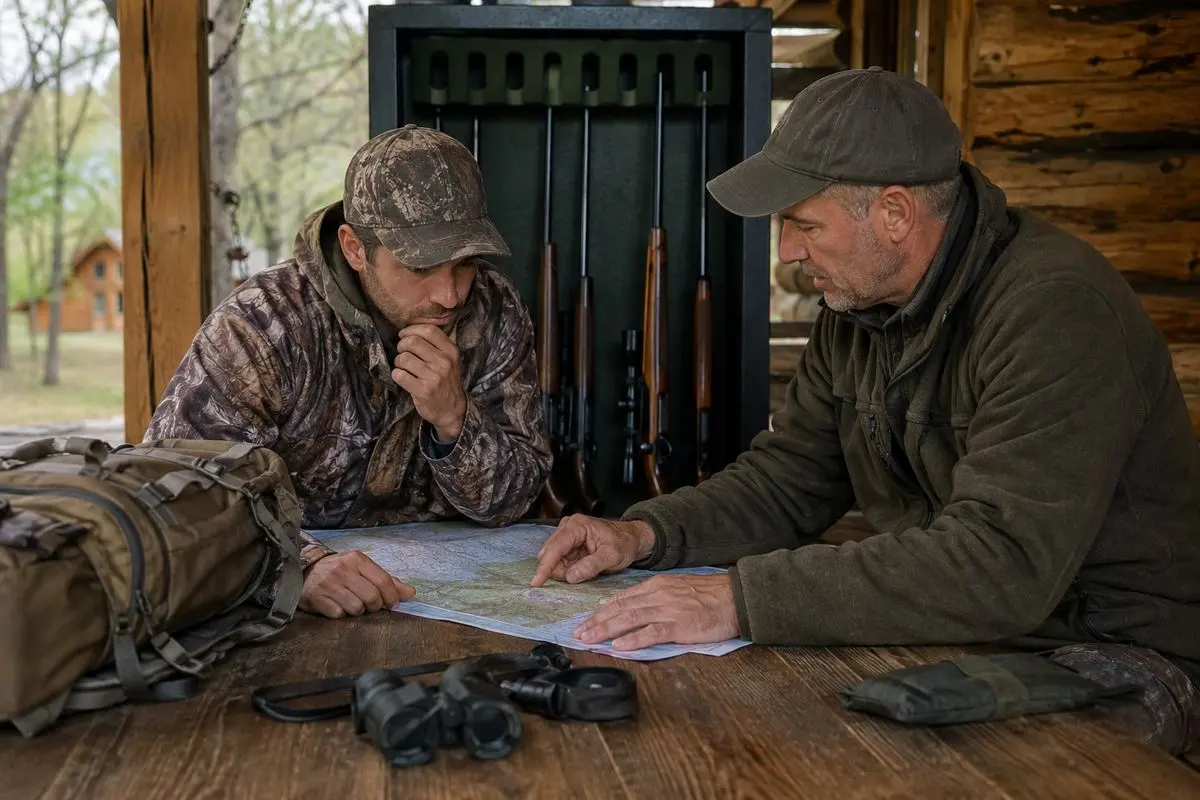
Navigating Weather Challenges, on Alaskas Coastal Hunts
Embarking on a hunt in Alaska is an adventure but the unpredictable nature of weather brings unique challenges that need to be thought about carefully. Once you have packed your gear. Made your travel plans, a sudden change in the forecast can create problems with your preparations. The important decision is not about feeling uncomfortable; it's about checking if the conditions are safe and proper for the hunt. It is important to check if there is space for a shot, an effective recovery and overall safety.
Understand the Real Impact of Weather Conditions
Although rain, wind or cold might seem like problems to deal with they can have an effect on important parts of your hunt. Visibility can get worse the ground can become hard to walk on and communication can get worse which directly affects your ability to track and recover game.
Before you go talk to your guide to find out which weather conditions could really mess up your plans not just slow you down. For instance light rain might be okay. Poor visibility over water or wind that makes it hard to hold your gun steady can turn what should be a shot into a dangerous risk. It is important to tell the difference between discomfort and a real danger to safety and hunting success.
Be ready to set your limits. If cold temperatures might make your shot quick and affect your accuracy recognize this as a problem in your preparations of a test of your strength.
Inquire to Gain Insight and Make Decisions
One of the mistakes during a hunt is asking questions that are not clear like "Will the weather be okay?" These kinds of questions get answers. Instead ask questions that lead to choices:
– Which parts of our planned path are most at risk if visibility gets worse or the wind increases?
– When should we decide to turn back to make sure we can safely recover any animal we get?
– What specific weather conditions would make a shot unethical or unsafe?
– How will we stay in touch if any of us gets separated because of the land or distance?
– What are our plans if we get into a dangerous situation?
Having these talks not shows the risks. Also helps you talk about the choices you have to make. A faster path might cut down on time in the weather. Could also limit your chance to look for game. On the hand waiting for visibility might help your shot but could take away from the time you have left in the day for recovery. Because weather on the coast can change a lot checking your plans each morning can help you avoid problems.
Prioritize Preparation Based on Decision-Making, Not Gear
Your equipment should help you make choices as you face the challenges of the outdoors. This means wearing clothes that let you think clearly and move safely while keeping you warm and dry. Make sure you have bags for things like licenses, communication devices and medicines. Shoes should be good for slippery places. Should work well in wet conditions.
Before your trip check the systems to avoid problems later. Practice tasks like putting on gloves getting rain gear and finding batteries or lens covers. If getting to your things takes time or is confusing it's time to reorganize your setup.
Be honest with your guide about any health issues or past injuries that might affect how you do. This honesty allows for changes in the path. Sets goals. If you hide your limits you only make it harder for yourself when problems come up in conditions.
Distinguish Between Legal and Responsible Opportunities
Having a hunting permit or tag does not automatically mean every chance is an one. Responsible hunting is more than following the law. It requires the skill to see if you can shoot well if the conditions are right for tracking and if there is a chance to find the animal again. Make sure you follow the rules about the animal, area, time, gender, species and methods of hunting.
Stay up to date with the rules and emergency orders because they can change. Make sure you have the papers before you go to avoid using old information or informal advice. If you are not sure don't be afraid. Ask your guide to check the status of your target and the plan for recovery. If anything feels uncertain it is better to not take the shot than to hurt an animal or break the rules.
Reset Your Focus Before Taking the Shot
Pressure can make it hard to think clearly making you rush into decisions. A quick mental reset can help you think clearly:
– Can I clearly see the animal and make sure it meets the rules now?
– Is my position steady enough, for a careful accurate shot?
– Are the back and the direction the animal is moving okay for a safe shot?
– Do we have a clear plan to find the animal after I shoot?
– Can we track the animal properly and safely if it moves after the shot?
– Do the current weather, light and land give us enough space to follow up?
If you find yourself answering
