A multi-day hunt aboard a vessel creates a packing problem that is different from a truck-based trip or a lodge stay. Your gear must fit in a confined cabin, stay dry around spray and rain, and remain useful when a calm forecast gives way to cold wind. The best approach is not to bring every item that might help. Build a small, layered system, protect the pieces that cannot get wet, and confirm vessel and guide requirements before you leave.
Start with the vessel's storage limits
Ask about storage before assembling your Alaska vessel-based hunting trip kit. Find out whether soft bags are preferred, how much personal space is available, whether a dry locker is provided, and how large hard cases can be. A duffel that works in a vehicle may be awkward in a narrow bunk or passageway.
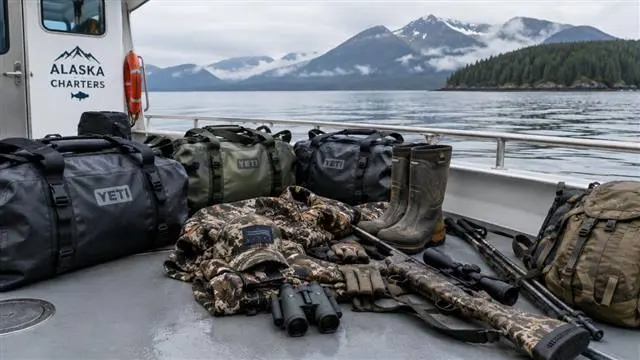
Soft-sided bags usually compress more easily than rigid luggage. Separate clothing into smaller waterproof bags rather than packing one oversized sack. That arrangement lets you retrieve a base layer without emptying everything onto a wet deck. Use one clearly marked bag for clothing, another for personal items, and a compact day pack for shore excursions.
Keep essential items accessible, not buried in the main hold. A spare layer, rain shell, gloves, headlamp, water bottle, and basic first-aid supplies may be needed before the boat reaches an anchorage.
Build a clothing system, not a single outfit
Coastal weather can shift from mild to cold and wet with little warning. A practical clothing system starts with a moisture-managing base layer, adds an insulating layer, and finishes with a windproof and waterproof shell. The layers should work independently, since wearing every piece at once can leave you overheated during a climb or glassing session.
Pack at least one dry change reserved for sleeping or emergencies. That set should stay sealed in a waterproof bag until needed. Wool or synthetic layers are generally more useful than cotton in damp conditions because they retain more insulating value when moisture is present and dry more readily.
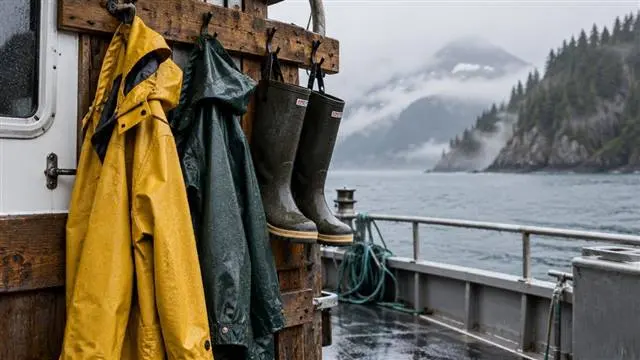
Your outer layer deserves careful attention. Waterproof hunting clothing should have enough room for the layers beneath it and allow quiet movement. Check the hood, cuffs, seat, and pockets before departure. A jacket that sheds light rain but wets through at the shoulders is not a dependable storm layer. Pack waterproof trousers even if the forecast looks favorable; sitting, kneeling, and traveling through wet brush can soak the lower body quickly.
Bring several pairs of socks, including a dry reserve. Gloves are easy to underestimate, so consider a thin pair for dexterity and a warmer pair for stationary periods. Rubber boots may make sense for some shore conditions, while insulated hiking boots may be better for uneven ground. That choice depends on the terrain, temperatures, and guide or vessel recommendations rather than appearance alone.
Protect optics and electronics from spray
Good hunting optics are useful only when their lenses remain clear and their controls keep working. Pack binoculars in a padded case that can be reached quickly, but use a rain cover or waterproof pouch when moving across exposed decks. A lens cloth belongs in a sealed pocket; a wet sleeve or shirt hem can leave scratches, grit, or a film on glass.
A spotting scope can provide value during long glassing sessions, but it also adds weight, bulk, and a tripod requirement. Bring one when the hunt and terrain justify extended observation. Binoculars may be the more sensible choice when space is tight or most viewing will happen from a moving vessel.
Protect phones, cameras, GPS units, batteries, and chargers from condensation and spray. Pack spare batteries in a dry case, keep electronics warm when practical, and do not assume a phone will replace every navigation or communication tool. Confirm what the vessel already carries so you do not duplicate bulky equipment.
Pack safety equipment you can actually reach
Wilderness safety essentials should be divided between personal gear and equipment supplied by the operator. Ask who provides first aid, emergency communication, flotation equipment, navigation tools, and survival supplies. Vessel safety equipment is not a substitute for personal preparation, but carrying duplicates of every item can waste limited space.
A personal kit may include a headlamp with fresh batteries, small first-aid supplies, blister treatment, fire-starting materials where permitted and appropriate, a whistle, repair tape, knife used lawfully and safely, hand sanitizer, and high-energy food. Add sun protection and insect protection when conditions call for them. A compact power bank can be worthwhile, but store it in a protected, dry location.
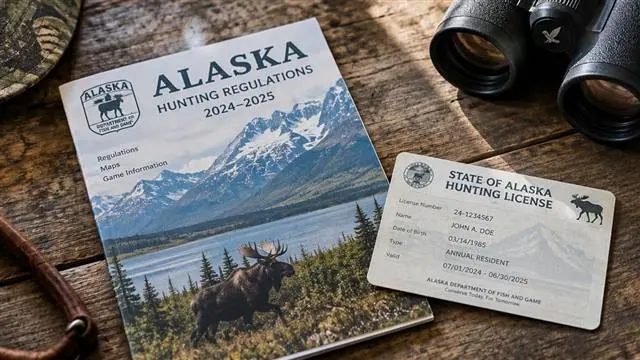
If you are bringing a firearm or other regulated hunting equipment, follow the guide's transport instructions and applicable state, federal, vessel, and airline requirements. Current seasons, licenses, tags, reporting rules, transport provisions, and equipment restrictions can change. Check the latest Alaska Department of Fish and Game guidance and any other applicable official regulations before departure; do not rely on an old checklist or memory.
Keep personal items small and deliberate
Personal comfort is useful, but cabin clutter quickly becomes a shared problem. Bring travel-size toiletries, prescription medication in its original labeled container, spare glasses or contact supplies, earplugs, and a small towel if the operator does not provide one. Pack medication in your carry-on or personal day bag, not in luggage that may be inaccessible during travel.
A waterproof notebook and pencil can help with observations, packing checks, or required notes. Bring identification, permits, and other documents in a sealed document pouch. Copies may be helpful, but they should supplement rather than replace required originals or official digital records.
Food planning depends on the vessel. Confirm what meals, drinks, and snacks are provided before adding bulky provisions. Choose compact items that tolerate temperature changes and avoid packaging that creates unnecessary waste.
Leave the optimistic extras behind
The most common packing mistake is preparing for every imagined problem with full-size equipment. Multiple heavy jackets, several pairs of boots, oversized coolers, duplicate optics, and casual clothing rarely earn their space. So do not pack a large item just because it might be useful once.
Before closing each bag, ask three questions: Can I use this in wet weather? Does it solve a problem the vessel or guide will not already solve? Can a smaller item do the same job? Remove anything that fails all three tests.
A final gear check should happen before boarding, with the vessel's storage limits and current official guidance in hand. Pack for staying dry, seeing clearly, moving safely, and recovering from a missed assumption. That compact approach leaves more room for responsible field decisions and less time spent managing equipment.