
A first coastal hunt can go wrong before anyone reaches the field. A mismatched season, unclear expectations or a poorly prepared duffel can turn a carefully saved-for trip into a stressful exercise in delays and compromises. The useful approach is to make a few decisions early: define the kind of experience you want, ask direct questions of the guide, prepare for vessel travel and verify every legal detail from current official sources. The goal is not to control a remote trip completely; it is to arrive ready for the conditions that cannot be controlled.
Start with the animal, season and experience
Begin with the species and style of hunt, not a preferred calendar week. Coastal weather, daylight, animal movement, local access and legal seasons can all affect what a trip feels like. A guided Alaska hunt may involve long hours on a vessel, short shore access, glassing from a fixed position or several changes of plan. Those details matter as much as the tag in your pocket.
Ask the outfitter what a normal day requires physically. Will you climb wet rocks, walk uneven beaches, carry gear over distance or spend most of the time waiting aboard? A hunter who wants a physically demanding stalk should not book a trip designed around boat-based observation, and someone with limited mobility needs an honest discussion about landing sites and shore access.
Treat the published season as a legal window, not a promise of ideal conditions or a guaranteed opportunity. Ask how weather delays, sea conditions and animal availability are handled. A flexible arrival or departure plan may be more valuable than squeezing the trip into the shortest possible schedule.
Ask better questions before you book
A useful pre-trip conversation is specific. Confirm the target species, hunt area in general terms, expected group size, sleeping arrangements, food plan, communications, emergency procedures and what equipment is supplied. Ask which costs or responsibilities remain with you, including licenses, tags, transport to the departure point and baggage limits.
You should also understand the decision-making framework. How does the guide define a legal opportunity? What happens if weather prevents a landing? If the first plan becomes unsafe, is the alternative to wait, relocate or end the trip? There is no shame in a cancelled outing caused by dangerous conditions; a responsible guide should make that possibility clear before departure rather than pressure a crew into taking a chance.
If you have a medical condition, dietary restriction or concern about cold exposure, raise it early. Remote travel leaves less room for last-minute substitutions. A concise written summary of medications, allergies and emergency contacts can help the crew respond if communications fail.
Build a vessel-ready packing system
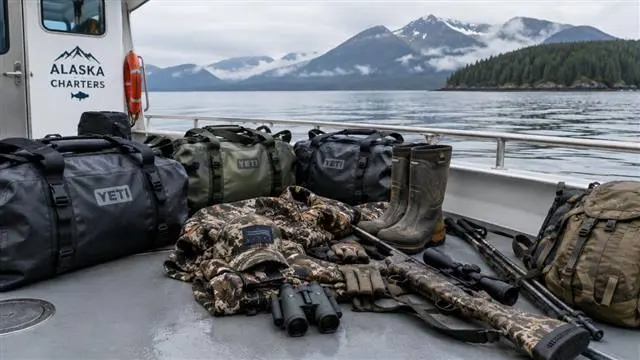
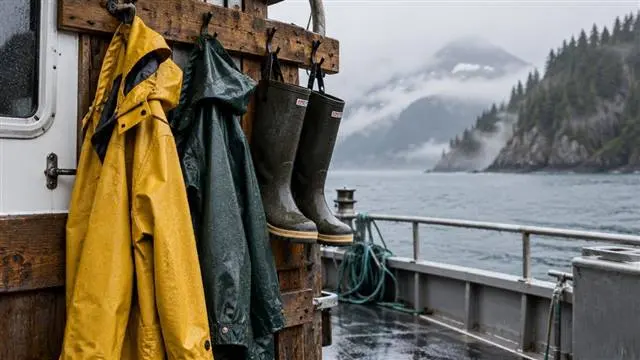
Packing for vessel travel is less about bringing everything and more about keeping essential items dry, accessible and secured. Use waterproof bags inside a larger duffel, and separate field clothing from sleeping layers. Rain gear should be reachable without unpacking the entire load. Bring spare gloves and socks, eye protection, sun protection and warm layers even when the forecast appears mild; coastal weather can change quickly.
Keep documents, medication, licenses and personal electronics in a small dry bag that stays with you. Do not assume there will be reliable charging, cellular service or space to spread out gear. Ask about power, drinking water, luggage storage and whether firearms or ammunition must be packed in a particular way for the transport provider.
Motion sickness deserves practical attention. If you know you are susceptible, discuss prevention with a medical professional before travel and test any medication at home first. Avoid arriving dehydrated or exhausted. On board, follow crew instructions about movement, handholds, footwear and where equipment may be stowed.
Confirm regulations from current sources
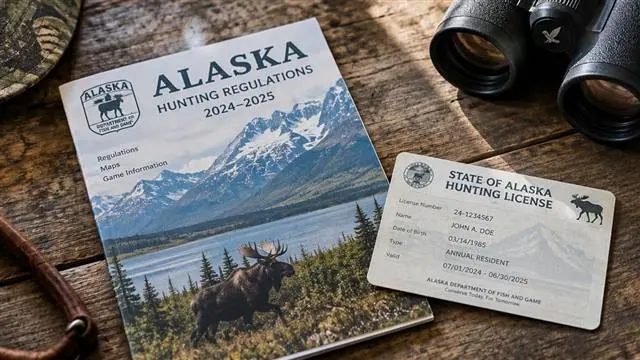
Your guide can explain local practice, but you remain responsible for having the required licenses, tags and documentation. Regulations may differ by species, unit, residency, weapon type, season and land status. They can also change after you begin planning, so check the current Alaska Department of Fish and Game information and any applicable federal guidance before departure.
Read the actual rules that apply to your hunt rather than relying on a remembered summary or an old forum post. Confirm harvest limits, legal methods, reporting requirements, transport rules, salvage obligations and restrictions affecting the specific area. If the hunt involves federal land, marine waters or a species managed under federal authority, ask which additional rules apply and verify them with the relevant agency.
Carry required documents in a protected but accessible place, and ask the guide how harvest reporting is handled in areas with limited connectivity. Save official information for offline reference, but check for updates as close to departure as practical. Requirements may change, and a guide's confidence is not a substitute for current official guidance.
Set an ethical field standard before the trip
Ethical hunting starts with a clear limit on what you will and will not attempt. Discuss shot selection, safe backstops, animal identification and follow-up expectations with the guide before the hunt begins. If visibility, distance, footing or weather creates an unacceptable risk of a poor shot, waiting is the right decision. A filled tag is never a reason to abandon judgment.
Respect does not end when an animal is down. Understand the plan for recovery, meat, hide, antlers or other required salvage, and ask what happens if tide, surf or terrain makes retrieval difficult. Avoid wasting wildlife, disturbing non-target animals or treating a remote shoreline as disposable. Keep food, fuel, packaging and other waste secured on the vessel and remove what you bring ashore.
A good trip also leaves room for conservation-minded choices. Follow access instructions, avoid unnecessary noise near wildlife and accept that another hunter's legal opportunity deserves the same consideration as yours. Ethical hunting is practical: it protects the resource, reduces risk and makes difficult decisions easier when conditions deteriorate.
Make a calm go-or-no-go plan
The final preparation is a written check of the decisions that are easiest to forget. Confirm meeting times, transport connections, weather-check procedures, emergency contacts, medication, documents and a realistic personal fitness limit. Tell someone at home where the trip begins, when communication may be limited and who to contact if plans change.
Build buffer into the itinerary. A coastal trip can be delayed by weather or mechanical problems, and rushing to catch a flight can distort sound safety decisions. On departure day, report symptoms of illness, fatigue or seasickness rather than hiding them. Speak up if you do not understand a maneuver or instruction.
The best preparation does not make a remote hunt predictable. It makes you adaptable: legally prepared, properly equipped and willing to pass on an unsafe or unethical opportunity. That is the foundation for a guided coastal hunt worth remembering, whether the season produces a harvest or simply a hard-earned lesson in wild country.