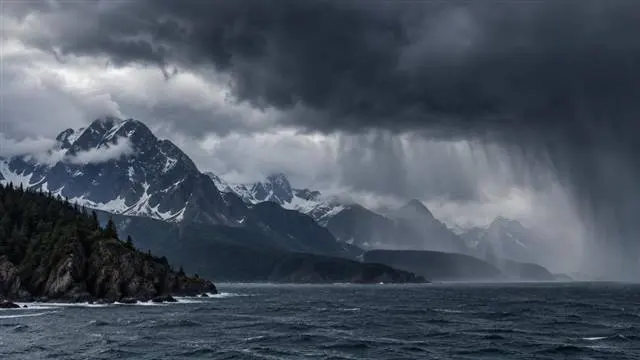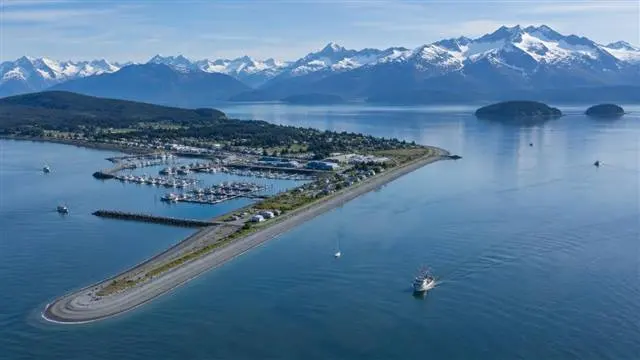
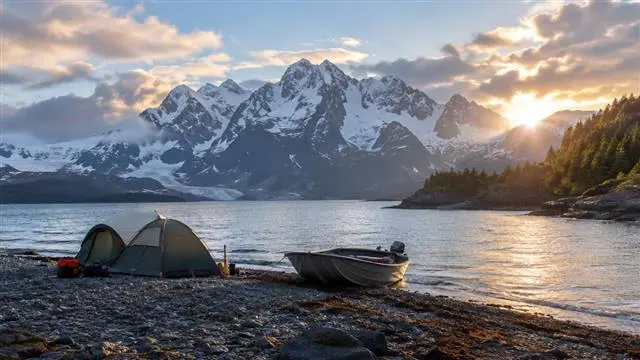
A remote coastal trip can look simple on a map and become complicated as soon as weather, tides, fuel, food and transport enter the picture. The best plan is not a rigid schedule; it is a set of decisions that helps a group know what must happen, what can wait and when to turn back. Consider a small party arranging several days aboard a vessel for hunting, fishing and shoreline travel. Their preparation offers a useful framework for building an Alaska wilderness adventure that is productive without treating uncertainty as a minor detail.
Set one primary goal before adding side trips
The group starts by naming its main purpose: hunting a particular species, fishing, exploring country or combining several activities. That choice affects departure timing, equipment, food, fuel and the amount of shoreline time available. A trip built around hunting needs a different pace from one built around moving between fishing spots and scenic anchorages.
Write down the primary goal, two secondary goals and the conditions that would make the trip successful. For example, the party may decide that finding legal hunting opportunity matters most, fishing is a bonus and sightseeing fills weather delays. This prevents a common problem: spending the best travel window chasing every possibility, then reaching the final day tired and behind schedule.
Keep the plan within the group's actual ability. A demanding route, heavy loads and unfamiliar equipment can turn an ambitious itinerary into a safety problem. Ask the guide or vessel operator how much time is normally spent traveling, anchoring, landing and handling gear, then build the schedule around those realities rather than the distance shown on a chart.
Build the route around transport and recovery options
For the hypothetical party, the vessel is the trip's central piece of logistics. They need to discuss the intended route, likely anchorages, landing locations, fuel capacity, food storage and the process for moving people and gear between ship and shore. A shoreline that appears close may still be impractical because of surf, rocks, mud, tide or a lack of a safe landing point.
Ask what happens if a planned landing is unusable. Is there another nearby option? Can the vessel wait safely? How much daylight and fuel can be spent on a detour? These questions belong in the planning conversation before departure, not while the group is standing on an exposed beach with wet gear.
Remote hunting logistics also include the return journey. Agree on how harvested game or fish will be handled, protected from weather and wildlife, and transported without compromising the vessel or the rest of the trip. Confirm what equipment the party must bring and what the operator supplies. Do not assume that a familiar mainland setup will work on a vessel-based trip.
Plan food, fuel and medical information as systems
Food planning should cover the full itinerary plus a deliberate reserve for delay. Choose meals that remain practical when people are wet, tired or working in poor weather. Separate everyday food from emergency food so the group does not gradually consume its backup during a comfortable first day.
Fuel includes more than the vessel. Account for stoves, heaters, cooking systems and any small engine or transport equipment used during shore operations. Store and handle fuel according to the operator's instructions, and keep ignition sources, food and sleeping areas properly separated.
Before leaving, each person should provide relevant medical information privately to the responsible trip leader. Include allergies, medications, serious conditions, mobility limits and emergency contacts. A small issue can become harder to manage far from roads, clinics and reliable resupply. Pack personal medication in accessible waterproof protection, with extra supply handled according to medical advice.
Make communication useful when plans change
A check-in plan is more than telling someone the departure date. Give a trusted contact the route area, vessel information, expected return window, party names and the point at which concern should be raised. Update that person when the itinerary changes.
The group should also understand its onboard communication equipment before it needs it. Ask how to use the vessel's radio, what backup communication is available and who is responsible for sending a message. Keep an offline copy of essential contacts and itinerary details; a phone that works at the dock may not work from a remote shoreline.
Alaska wilderness safety depends on clear escalation decisions. Decide in advance what triggers a delayed landing, a return to the vessel, a shortened route or an early trip home. Poor visibility, rising seas, injury, equipment failure and deteriorating group condition are valid reasons to change plans, not signs that the trip has failed.
Leave room for weather and legal checks
A multi-day Alaska trip needs a weather buffer. Do not schedule the final travel day so tightly that one storm leaves the party stranded or forces an unsafe crossing. Build flexibility into the beginning and end of the itinerary, and ask how the operator handles changes caused by wind, seas, fog or unsafe landing conditions.
Review current official Alaska guidance before departure. Hunting seasons, licenses, harvest tickets, permits, salvage rules, transport requirements and species-specific restrictions can change, and rules may differ by area. Consult the current Alaska Department of Fish and Game materials and confirm questions with the appropriate official office or qualified guide. General trip advice cannot replace the regulations in force for the exact location and activity.
The same check applies to fishing, vessel operations, fires, waste and protected areas. Carry only the gear and equipment allowed for the planned activity, and make sure every participant understands who is responsible for legal compliance.
Finish with stewardship, not just a departure time
Post-trip planning starts before the boat leaves. Decide how trash, damaged packaging, food scraps, fuel containers and unwanted gear will return to shore. Keep wildlife attractants controlled, avoid disturbing animals and use established or low-impact landing practices where available.
When the trip ends, record what worked and what did not: food quantities, fuel use, equipment failures, weather delays, landing options and communication gaps. Report required harvest information promptly and follow official instructions for tags, specimens or other records. A short debrief makes the next trip safer and reduces repeated pressure on the same places.
The strongest backcountry trip preparation does not eliminate uncertainty. It gives the group enough information to recognize a changing situation, enough supplies to wait safely and enough discipline to choose the conservative option when conditions demand it.