
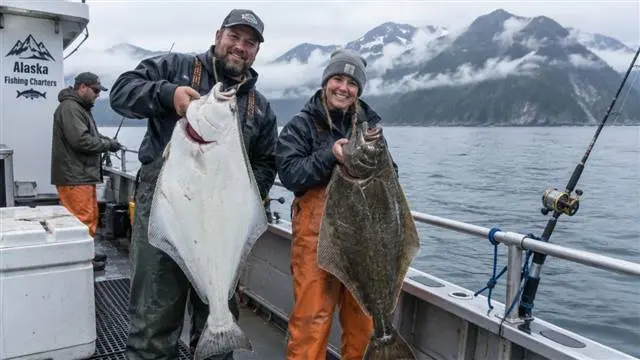
In mixed fishing, days are often unpredictable. Everything that you wish to reach on the water (species, tides, current, wind) seems to want to do the opposite of what you have planned, and then, after a long haul, you will find yourself in a wonderful place for halibut or a hot location for salmon, right near the shore. Good planning does not guarantee full ice chests but it helps to make good use of situations that unfold during the day, to choose proper tackle for the species at hand, to take care of the caught fish and to stop some little problem with the boat or the weather from becoming the main memory of the day.
Let the tide shape the plan, not dictate it
Tidal movement affects how current is running, where bait is, where kelp is, where river mouths are and whether it is easy to maneuver a boat over structure or not. The tidal table shows you when high and low water is but the strength and direction of the wind will affect how the tide's current interacts with waves to form sea.
How will we use the tide to our advantage during the day? Will we be using the high tide to our advantage for Halibut or will we be fishing during a low tide for Salmon. Will there be room to drop a line for Rockfish and be able to get accurate vertical presentations or will it be to rocky and we be subjected to too much rough water?
First hour is information gathering time! Find out how fast your boat will drift. Check if lines will get swept under the hull. Determine if current is changing as expected. If you find that you are constantly correcting for drift then possibly using heavier line, or fishing from a different location would be better than brute force.
Match tackle to the species and the conditions
Halibut require sufficient weight to tackle powerful fish down near the bottom. Salmon may require different line, lures and rods for trolling, mooching or casting. Rockfish can often be caught and released with minimal hardship, with proper tackle to accurately place hook in fish, then to handle fish to release.
This would include the inspection of all knots, leaders, hooks, and guides. Pay attention to any signs of wear or even salt residue. Such can be indicators of wear. Reel drag that becomes stiff at low pressure is also another area to inspect before departure. Upon return to shore, rinse all tackle with fresh water, and allow to completely dry before storing. Reels in particular should be stored in a dry location in order to prevent any moisture from entering.
Different species require different tackle. Add to that the fact that you are fishing off a boat that can only go so fast, in conditions of current, depth, and weather, and you will have to make do with different tackle for different species. Most of the time this can be slight adjustments to your existing rod and reel, not a complete change over to a different rod and reel.
Read weather symptoms before they become a problem
While weather may change quickly out on the water, coastally it can change quickly over short distances. Thus a particularly calm cove will be in stark contrast to the rough, open water found on the outside of an island. A rising wind against strong current, a dark line on the horizon, lowering clouds rolling in over surrounding land or increasing spray on previously dry surfaces all signal worsening weather. If your boat is to begin to pound, yaw or even take on water, do not hesitate to head back in immediately.
Shortening your run, changing location, or returning to shore in a less than ideal fishing situation is not losing a day of fishing – it's being wise and safe. Take into account the fatigue and possible seasickness that you and other crew members may be experiencing while trying to clean and stow gear.
Finally, everyone on board should know the location of all properly fitting Personal Flotation Devices and know what to do in case of an emergency when the Captain says to don them. Also, try to keep loose gear stowed away, coolers tied down, and ask permission to move about on the boat during sharp turns or while trying to bring in a fish. Be sure to treat cases of seasickness early, as severe dehydration only makes symptoms worse.
Treat small vessel warnings as real warnings
Look for unusual bilge-pump cycling, a fuel smell, an alarm that will not clear or a slow start from a dead battery before you depart. Look for loose, damaged, wet or leaking hoses, fuel lines, and electrical connections. Discovering one of these before you leave the harbor could save you a lot of grief later.
Make sure that the marine radio, charts, signals, and first aid kit are in good working order on the vessel you are renting. Also make sure that you know where the life jackets are on the vessel, and have a plan for what to do in case of an emergency or if the trip is delayed for any reason. Get a short safety briefing from the captain before leaving the harbor.
Make sure to clear access to the helm, the bilge, the engines and to emergency equipment like life jackets and emergency position-indicating radio beacons (EPIRBs). This will allow for safe and unencumbered movement around the deck even in normal fishing activities.
Handle every fish as food and wildlife
First, there is the matter of fish quality. Fish are killed on the boat for a reason. They must be handled well in order to retain their quality. Clean surfaces for cleaning fish, separate bait and fish trash from food fish, keep sharp knives securely stored to prevent injury, and do not attempt to clean and gut fish on a rough tackling wet and sloppy deck.
We keep our clean surfaces to separate our bait, gas related items and our finished fillets. Knives must be tied off when in transit on the boat to prevent loss. We wash our fillets and dispose of blood and innards in proper containers. The catch will be iced, drained and labeled prior to departure for your use as your desired meal.
Also be aware that some rockfish species are highly sensitive to pressure change at depth and it is important to release these fish with care. Ask the captain what is the recommended method of release for species that you are not keeping. Do not assume that all non-target species can be released overboard in the same condition that they were caught.
Check rules before the lines go in
Alaska fishing regulations can vary depending on location, species, time of year, type of gear used, and in case of emergency. Halibut are managed under Federal rules, while the majority of salmon and rockfish are managed under rules established by the State of Alaska and therefore are considered State managed species. Local regulations may vary for species such as King salmon.
Verify current Alaska Department of Fish and Game sport fishing regulations as well as federal halibut guidance and ensure all necessary licenses, harvest records, stamps, tags, etc. to fish in the area you will be going to are in hand. Remember that your captain can have more restrictive rules to ensure a responsible mixed adventure fishing day and to try to keep within a safety margin.
A great mixed adventure day consists of having caught many species of fish, respecting the tides, the boat and the weather, good handling of all caught fish, and all fish that were kept used well.