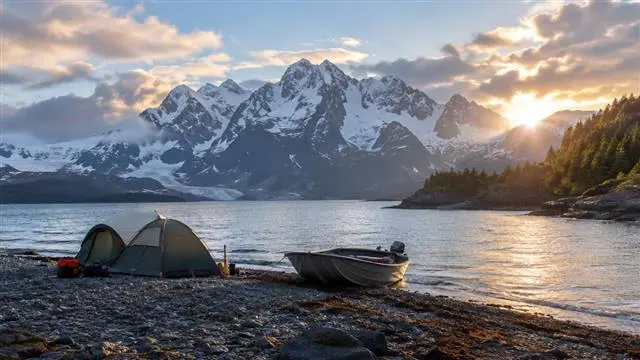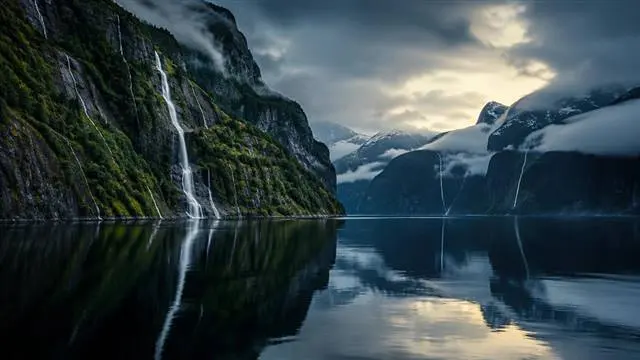
When planning a trip to the quieter shores, islands and coves of Kachemak Bay, start your journey in Homer, a practical and suitable 'base'. However, cross-border travel has its hazards and requires an element of flexibility. Simple-appearing days can change in the space of hours and whilst planning is essential, time must be allowed for waiting, observing and possibly changing plans. Travel safely, respect wildlife and try to experience the true Alaskan coastal wilderness experience.
Start with the shape of the coast
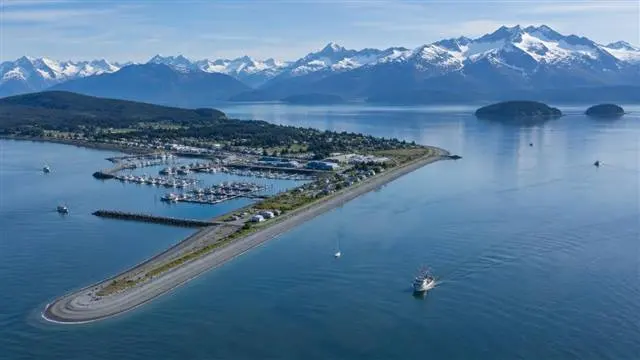
Knowing the location of Homer in relation to points around Kachemak Bay doesn't mean that all locations are easily accessible. In fact, the shape of the coastline and the layout of land and sea can be quite different from what you might expect. For example, Homer is about 5 miles wide at its closest point and the bay stretches out some 10-15 miles to the mainland and to the many islands in the bay. Points across the bay can be quite different in terms of beach, channel, and land.
Before deciding on a trip, it's best to have a sense of what type of day it will be. A short, easily followed shoreline could be an excellent choice on a questionable visibility day. Longer trips by vessel generally require more leeway to adjust to changing circumstances, be prepared to change destinations, or be forced to return to Homer by an alternate route. What is your 'fallback plan' should wind pick up, or if the day becomes foggy? A flexible itinerary is so much better than an 'inflexible' one, even if the latter is considered to be a full-fledged trip.
Treat tides as a planning constraint
Tides affect more than the time of departure and arrival. They determine whether or not a beach can be reached and whether or not a stream can be crossed. Exposed rock and steep banks can become hazards on different tides. A shoreline that can be accessed on an outgoing tide may not be accessible on a subsequent tide when the beach has become steeper, is covered in mud or is under water.
Know the tides and understand how they impact the shoreline you plan to visit. Tide tables are a good starting point but there is no substitute for local knowledge of how tides impact things like stream crossings, exposed rocks and beaches. Make sure you have enough time to complete your shoreline visit and factor in time for a slower return than you had on the way out.
Ask a local guide or operator if you are unsure how a particular tidal section works. It only takes a few minutes to prevent an unpleasant long haul around a section that does not work for you.
Make vessel travel part of the plan
Traveling on water can require more preparation than traveling on land, and thus needs to be considered when packing for your trip. Pack essential items such as warm layers, rain gear, food, water, any prescribed medications, and communication devices (such as a cell phone, two-way radio, etc.) to be easily accessible in the event that they are needed.
Make sure to know the very basic details of your day out before you leave: how long it will take to get out to where you want to go, where you'll be able to land, and get back home by when. Let someone on land know where you're going and when you expect to get back. Find out from your operator what their procedure is for telling people where you are.
Motion, spray and glare can all affect people quickly. Consuming food to prevent tiredness, ensuring that everyone has access to water, and having a dry insulating layer stowed away to put on when needed will all help prevent poor decisions to return to shore due to minor discomforts when far from a road or sheltered building.
Give wildlife more room than feels necessary
Even when it's possible to get closer to animals in Kachemak Bay than in other places, remember to keep your distance and move slowly. Do not block an animal's path to the water or food, and give mothers with young and resting marine mammals plenty of space. A quiet and slow departure from the beach where animals have been observing you is also appreciated.
Pay attention to the whole scene not just the one obvious animal. A bear on the shore can be easily lost in the driftwood on the beach. Be aware of seabirds in the offing. They can tell you of activity on the water but also indicate presence of a predator. Or maybe even a boat. Use binoculars whenever possible and be sure to keep dogs under control wherever you are. Never feed wildlife and make sure to take all food and related rubbish with you from campsites, beaches and other viewing areas.
Current wildlife regulations, closures and permits required to observe wildlife in Kachemak Bay are provided on the Alaska Department of Fish and Game, the U.S. Fish and Wildlife Service, and on local land managers' web sites. Note that these requirements can change, so make sure to check for current information rather than relying on old trip notes or word of mouth.
Build a weather buffer, not a wish
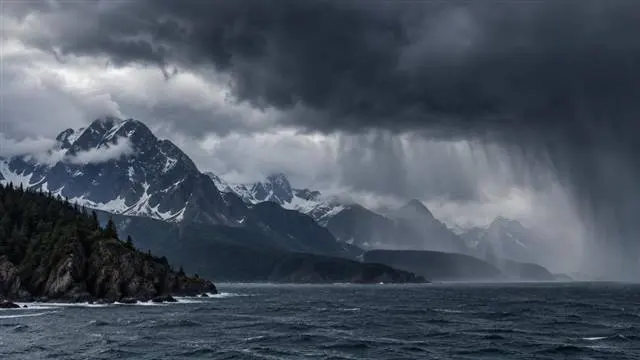
The Alaska weather can change in a minute and usually gets worse fast! Don't rely on a good forecast – remember that a forecast for Homer does not necessarily mean good weather for the coast that you will be visiting.
Leave at least one flexible day into your schedule. You never know when a short trip across open water could turn into a long, slow, tedious grind against a blow of rain. It happens. And even if you don't get a whole day to use up, cut a day or so out of each end of your trip and travel only as far as you can comfortably complete and still return safely by the end of the day.
Bring the same number of layers that you would for a colder, wetter day on land and package them in waterproof outerwear. Even specialized trip gear is not worth bringing if you are only going to leave it in your bag. Check the marine forecast and local conditions prior to departure and be sure to pay close attention to the insights of your water travel operator or guide.
Follow the community's working rhythm
As Homer is also a working fishing harbor and commercial fishery there will be a lot of activity in the harbors and launches. There will be times when commercial fishing, freight, maintenance, etc. will need to use certain facilities and areas, so it is best to ask for directions and clearance to use these facilities and areas. Do not treat the harbors, launch areas, fuel docks, etc. as viewing stands for land based wildlife.
Be sure to obtain permission to use private property including driveways, docks and trails that cross over residential properties. Bring all waste including food scraps and even small pieces of fishing line. Be respectful of cabins, camps and areas with lots of shorebirds and reduce noise as much as possible. Pay attention to practical warnings about access to and conditions of an area from local operators, land managers and residents.
Leave room for an unhurried trip
Chose a few focal points for your trip and allow for ample time to achieve them. Wait for the tides to change. Take the time to observe the incredible landscapes of the shoreline. A delayed or even cancelled landing can result in a safer day of kayaking on calm sheltered waters or even a leisurely stroll through town.
Prior to departure check for permits, licenses, required gear, and any land access restrictions. Up-to-date information on hunting and fishing regulations is provided by the Alaska Department of Fish and Game. Carry minimal and necessary gear, treat the coast and its wildlife with respect, and base the measure of a quality trip off of quality decision making.
It's how you visit Homer that's important – and not just for the day you visit. By planning carefully, traveling deliberately, and making thoughtful choices about your time and activities in Homer, you can have a great visit and still help keep the landscape wild for future visitors.