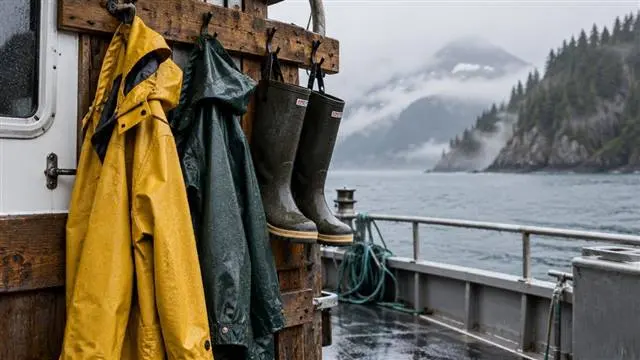
A leaking jacket can turn a manageable coastal hunt into a cold, distracting day, especially when travel between shore and vessel leaves little room for drying gear. The best rain protection is not simply the most waterproof item on a shelf. It must shed steady rain, move quietly, fit over useful layers and survive contact with brush, rocks and wet deck equipment. Start with a shell system that matches your pace, then test the small details – hood adjustment, pocket access, pack coverage and field repairs – before departure.
Build the shell around coastal conditions
For coastal Alaska hunting, a waterproof shell is the outer barrier, not the entire clothing system. Shells commonly use either a waterproof-breathable membrane or a coated fabric. Membrane garments can feel more comfortable during uphill travel because they allow some moisture vapor to escape, but performance depends on the fabric, construction and conditions. Coated shells may be simpler and highly rain-resistant, though they can feel clammy during hard movement.
Look for a fabric with enough durability for alder, spruce and rough shoreline work. Ultralight material may save space, but a tear can end its usefulness at an inconvenient point in the trip. Heavier fabric adds resilience and may tolerate repeated packing better. The trade-off is weight and bulk, so choose according to how much walking, boat loading and brush contact you expect.
Seams deserve as much attention as the face fabric. Taped or otherwise sealed seams reduce the chance that water will enter through construction points. Check the hood, shoulders, cuffs and seat area first; these receive repeated rain and pressure from a pack or wet surface.
Choose quiet clothing, not just dry clothing
A shell that keeps rain out but crackles with every arm movement can make close-range hunting frustrating. Noise varies with fabric, temperature, stiffness and the layers underneath. Handle garments in a quiet room before buying, and move your arms as if using binoculars, climbing and shouldering a pack. A soft face fabric or less rigid construction may be preferable where slow, deliberate movement matters.
Quiet does not mean fragile. A supple outer layer still needs abrasion resistance at the elbows, seat, knees and shoulders. Avoid assuming that a soft fabric is automatically suitable for brush. Read the construction details, inspect the reinforcement areas and consider whether the garment will be worn over a fleece, insulated layer or only a base layer.
A good fit leaves room for insulation without creating loose fabric that catches on branches. Sleeves should cover the wrists when the arms are raised. The hem should stay below the pack belt when you bend or sit, but it should not interfere with climbing aboard a vessel.
Treat the hood and zippers as working parts
A hood is useful only if it stays in place while looking through optics or turning your head. Seek adjustment at the face opening and back of the head, along with enough volume to fit over a warm hat. A brim can help direct water away from the face, but it should not block peripheral vision or collapse against the eyes when wet.
Pit zippers can release heat during a steep climb, yet every zipper is another potential entry point and failure point. Run each zipper before purchase and check whether it can be operated with cold, wet hands. Water-resistant zipper designs reduce exposure but are not a substitute for sensible layering or storm flaps.
Cuffs should close over gloves without leaving a gap, and the front closure should be manageable while wearing a pack or chest-mounted equipment. Small conveniences become significant when rain is constant and stopping to reorganize clothing is undesirable.
Layer for movement, waiting and drying
Use the shell over a moisture-managing base layer and an insulating midlayer selected for the temperature and activity. Avoid relying on the rain jacket to provide warmth. A shell that fits over a fleece or light insulated layer gives you more options when a hunt shifts from walking to sitting still.
Pack insulation in a waterproof liner or dry bag rather than assuming the outer jacket will protect everything. Wet clothing often comes from sweat as much as rainfall, so open vents during hard travel and add insulation before you become chilled. Once stationary, put on a dry layer that has not been worn during the approach.
Carry a separate pair of gloves or liners in a protected pocket. Handwear is easy to soak while loading gear, handling vegetation or working around a boat, and spare insulation is more useful than a collection of marginal extras.
Protect the pack and the items inside it
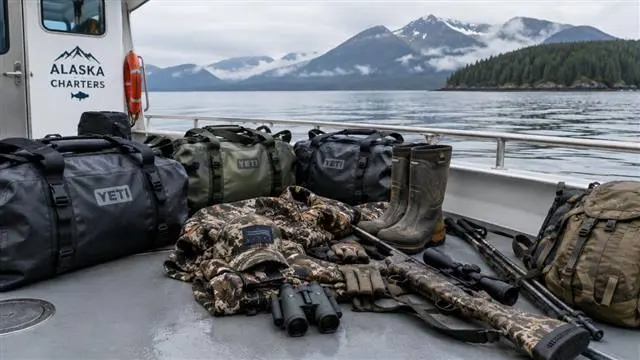
A waterproof pack can mean a genuinely waterproof bag, a dry bag used inside a pack, or a pack with a fitted rain cover. Each approach has a different weakness. Covers can shift in wind and leave the underside exposed. Pack fabrics marketed as water-resistant may handle showers but not prolonged rain or wet landings. A liner protects contents but may not stop the pack itself from absorbing water and gaining weight.
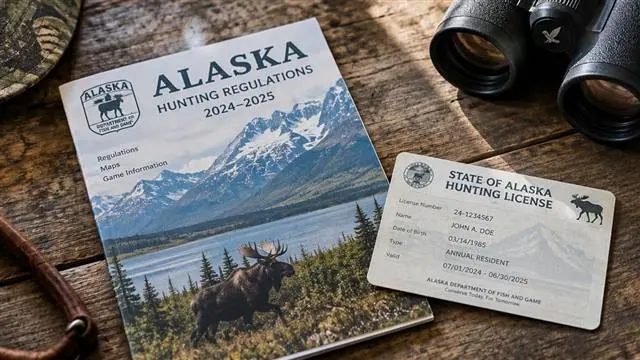
For critical items, use a second barrier even when the pack is advertised as waterproof. Keep licenses, maps, electronics, fire-starting supplies, spare gloves and insulation in individually sealed or roll-top bags. Grouping essentials also makes it possible to move them quickly between a day pack and vessel storage.
Test the system at home. Load it, close every opening and leave it under a controlled shower or outside during ordinary rain. Inspect the inside afterward, paying attention to seams, closures and the area where the hip belt or shoulder straps pull against the fabric.
Pack a repair kit with the shell
A small rain gear repair kit earns its space when a branch catches a sleeve or a buckle tears loose. Include compatible adhesive repair patches, seam-sealing material suitable for the garment, strong tape, spare cord and a few cable ties. Pack scissors or a small cutting tool only where they are permitted and safely stored during vessel travel and transport.
Clean and dry the damaged area as much as conditions allow before applying a patch. Temporary tape can stop further tearing, but it may leave adhesive or complicate a later repair. Follow the garment maker's care instructions for patching and seam treatment, since incompatible products can damage coatings or prevent a proper bond.
After the trip, rinse away salt, mud and grit with clean water. Wash the shell as directed, avoid unapproved detergents and let it dry fully before storage. Do not store it compressed in a wet gear bag. If water stops beading on the face fabric, that does not necessarily mean the waterproof layer has failed; the outer treatment may need appropriate renewal.
Before departure, check current Alaska Department of Fish and Game regulations, transport guidance and any applicable land or refuge rules. Requirements can change, and rain gear does not replace required safety equipment, legal documentation or sound judgment around wildlife. The useful standard is simple: choose protection you can move in quietly, keep the critical layers dry, and carry enough repair capacity to stay functional when the weather refuses to cooperate.