A coastal hunt can be carefully planned around tides, weather and vessel access, then stalled by one missing piece of paperwork. The practical challenge is that a license, a harvest ticket, a tag and a permit do different jobs, and the correct combination depends on species, hunt area, season and residency status. Use the checklist below to sort those decisions before you travel, then confirm every detail in the current Alaska Department of Fish and Game guidance. Regulations can change after you book a trip, so paperwork should be checked again before departure.
Start with the hunt, not the shopping cart
Do not begin by buying the first authorization that appears in an online account. Begin with the proposed species, hunt area, season and method of access. A guided vessel trip may visit more than one unit or subunit, and a change in weather or animal movement can alter the practical plan. That does not automatically give you permission to hunt under every rule in every area.
Write down the exact hunt area and the species you intend to pursue. Then read the current regulation language for that location rather than relying on a previous trip, a general summary or advice copied from a forum. Area boundaries, season dates, bag limits, registration requirements and reporting instructions can differ close to one another.
If a guide, transporter or vessel operator is involved, ask which details they need from you before boarding. Their planning information is useful, but it does not replace your responsibility to hold the required authorizations.
What each document actually does
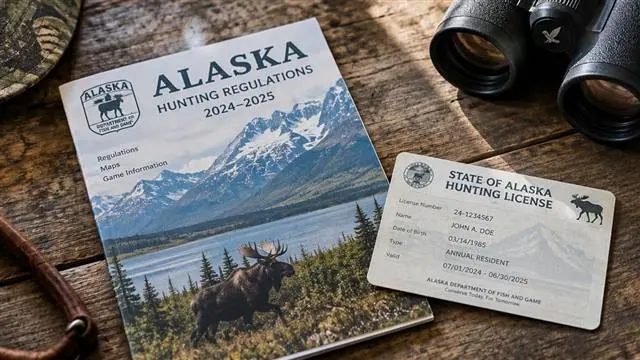
An Alaska hunting license is the basic authorization to hunt for the applicable class of hunter. It is not a substitute for every species-specific document. A license may be purchased for a resident or nonresident category, and choosing the wrong status can create a serious problem even if the rest of the file looks complete.
A harvest ticket generally records the authority and information associated with taking certain game under a specified hunt framework. A tag is a separate document used where Alaska requires a species or hunt-specific tag, including situations where the tag must be secured to the animal after a legal harvest. A permit can control access to a particular hunt, area or allocation and may be issued through a drawing, registration process or another system.
These terms are not interchangeable. Before payment, compare the document name shown in the current official instructions with the hunt you selected. Save digital copies where allowed, but carry the physical documents and identification required by the applicable rules. A phone battery, weak signal or damaged paper copy is a poor backup plan in remote country.
Nonresident choices require extra scrutiny
Nonresident hunters should treat the license process as a separate research task, not a minor price difference. Requirements may vary by species and hunt type, and some hunts can involve additional tags, permits, guide or supervision provisions, or other conditions. Those requirements may also depend on the precise area and season.
Use the current ADF&G nonresident guidance and regulation book for the hunt you are considering. Confirm eligibility before making travel commitments, especially when a hunt involves brown or grizzly bears, sheep, goats, moose or another species with specialized rules. Do not assume that a license purchased for one species authorizes a similar species, or that a document valid in one unit transfers to another.
A common mistake is to let a booking date drive the paperwork. The order should run the other way: identify the legal hunt, confirm the documents, then commit to travel and vessel logistics.
Match permits and tags to the hunt area
Alaska hunt areas can be described by game management unit, subunit, drawing hunt, registration hunt or a named local area. Read the area description closely. A map line, river, island or coastal boundary may matter, and the most convenient landing site is not necessarily inside the authorization you purchased.
Check whether the hunt is general season, registration-based, drawing-based or governed by a special permit. If the opportunity came through a drawing, confirm the permit number, season, area and species exactly as issued. If it is a registration hunt, learn when and how registration must be completed and whether the reporting process has its own deadline.
Keep the area information with your guide or vessel plan, but retain your own copy. If the route changes because of sea conditions, ask before hunting in a different unit. A flexible travel plan is valuable; an informal assumption about boundaries is not.
Build a pre-departure document check
A useful file contains the current license, every required harvest ticket, tag or permit, government identification, and a printed copy of the relevant regulation pages. Add the hunt number, unit or subunit, season dates and reporting instructions in a simple checklist. Confirm that names and document numbers match across the materials.
Review the file twice: once when the trip is booked and again shortly before sailing or flying. The second check should use the current official ADF&G licensing system, regulation book and species or hunt page. If an instruction is unclear, contact ADF&G directly rather than relying on a social media answer or an old outfitter handout.
Also ask what happens if the planned hunt changes. A substitute species, a different landing site or an extra day in another area may require a different authorization. Never treat an unused document as permission to take an animal outside its stated terms.
Report the harvest accurately and on time
Harvest reporting is part of the authorization process, not clerical cleanup after the trip. Read the instructions before you leave so you know what information must be recorded, including the hunt, location, date, species and any required biological details. Some hunts require online or telephone reporting; others may use a different procedure.
Record information while it is fresh. Weather, vessel movement and field care can make memory unreliable after several days. Keep copies or confirmation numbers for submitted reports when the system provides them, and note any deadline in your trip file.
Late, incomplete or incorrect reporting can affect your compliance and may create problems for future licensing. If an animal is wounded, lost, found after an initial report or taken under unusual circumstances, follow the current official instructions instead of guessing how to amend the record.
Verify before you leave the dock
The safest final question is simple: do the exact species, area, season, residency category and document set all agree? Check the current Alaska Department of Fish and Game licensing pages, regulations and hunt-specific notices immediately before travel. Federal rules may also apply in certain lands or circumstances, so confirm those separately when relevant.
Rules change, online systems are updated and emergency orders or area notices can affect a carefully prepared plan. A few minutes spent comparing the official sources with the documents in your pack can prevent an expensive mistake and supports accurate harvest data for Alaska's wildlife managers.